The 16th of June 1904 is a date etched in the literary calendar of Ireland. It is on this date that the characters of Ulysses — the great modernist novel written by James Joyce and published in 1922 — wandered the streets of Dublin, interacting in a combination of mundane and unusual ways.
Written mainly in a stream of consciousness style, the book loosely follows the structure of Homer's The Odyssey. The central character Leopold Bloom goes about his day, interacting with characters he meets along the way, including medical student Stephen Dedalus, a facsimile of the author himself. The book ends at home that night with Molly Bloom's famous 22,000-word soliloquy. The character of Molly is said to be based on Joyce's actual muse and wife, Galway woman Nora Barnacle.
Despite being published more than a hundred years ago, fans of the novel continue to carry out annual celebrations in more than 80 cities across the world each June 16th. A typical gathering might have people dressed in Edwardian clothing, reenacting passages from the novel and indulging in the meals that Bloom enjoyed — including pig's kidneys for breakfast and a gorgonzola sandwich for lunch.
To escape what he considered to be the stifling conservatism of Ireland, James and Nora moved abroad in 1904. While they visited home from time to time over the following years, from 1912 until his death in 1941 Joyce never set foot on the island of Ireland again. On the continent he lived the life of a poor, then successful, author in various cities — Paris, Trieste and Zurich among them — supported by various benefactors along the way.
As a Dubliner based in Auckland, I recently had the chance to visit some of the sites that make up the mythos of this legendary writer.
Zurich
Our European Christmas Market River Cruise with Viking ended in Basel a few days before Christmas. Knowing that Joyce was buried in Zurich, just over an hour away by train, I set out on a pilgrimage of sorts.
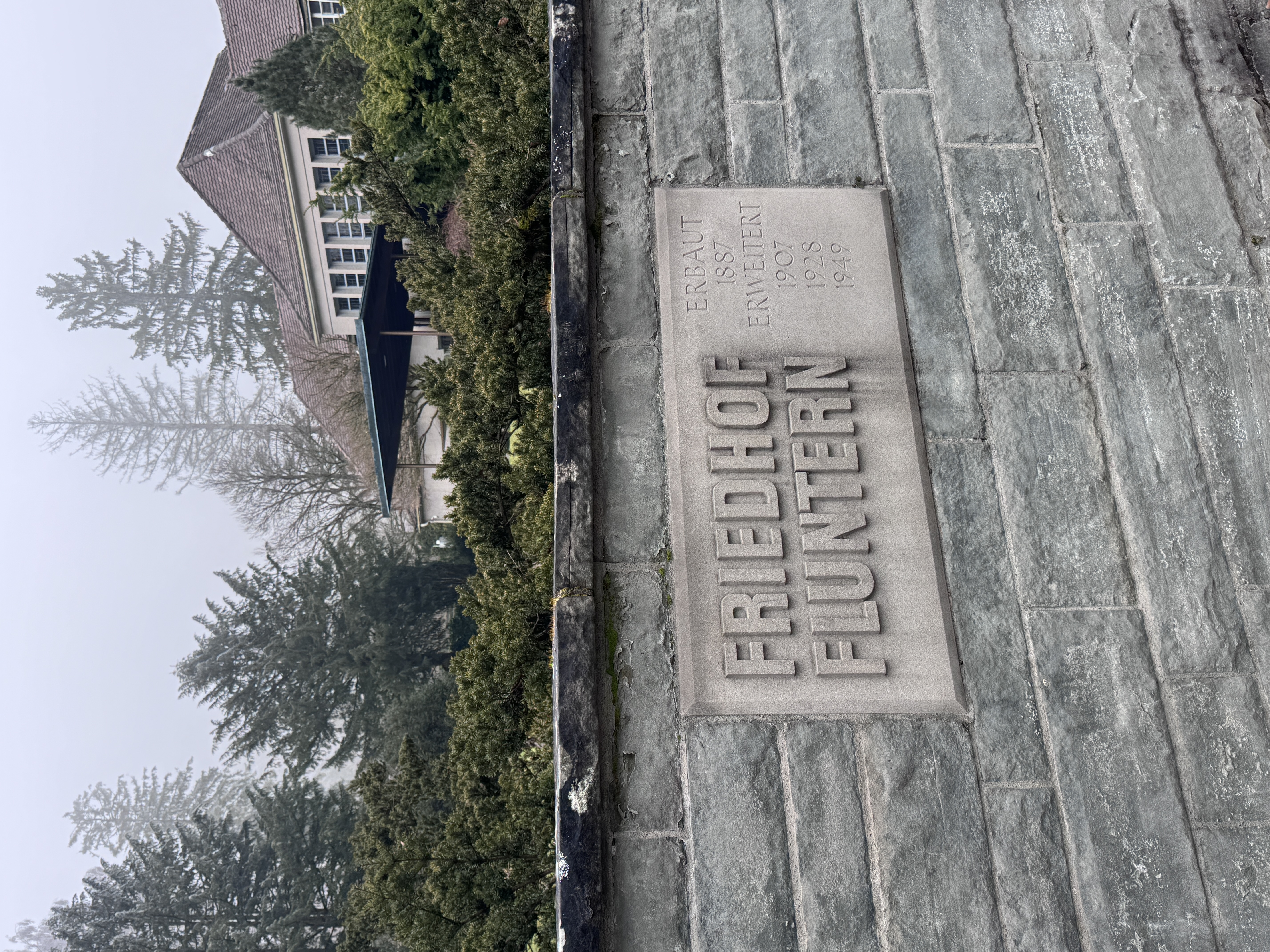
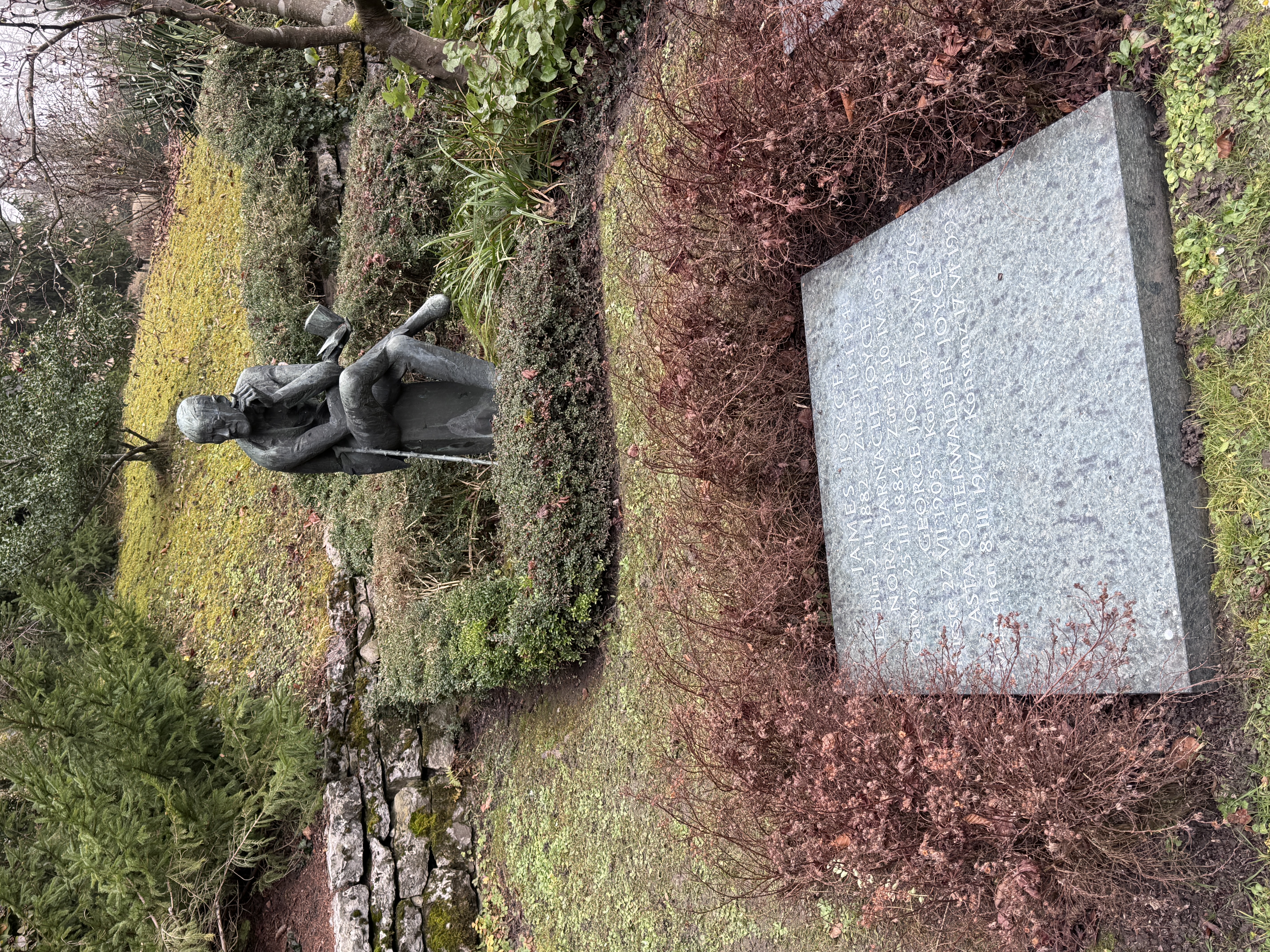
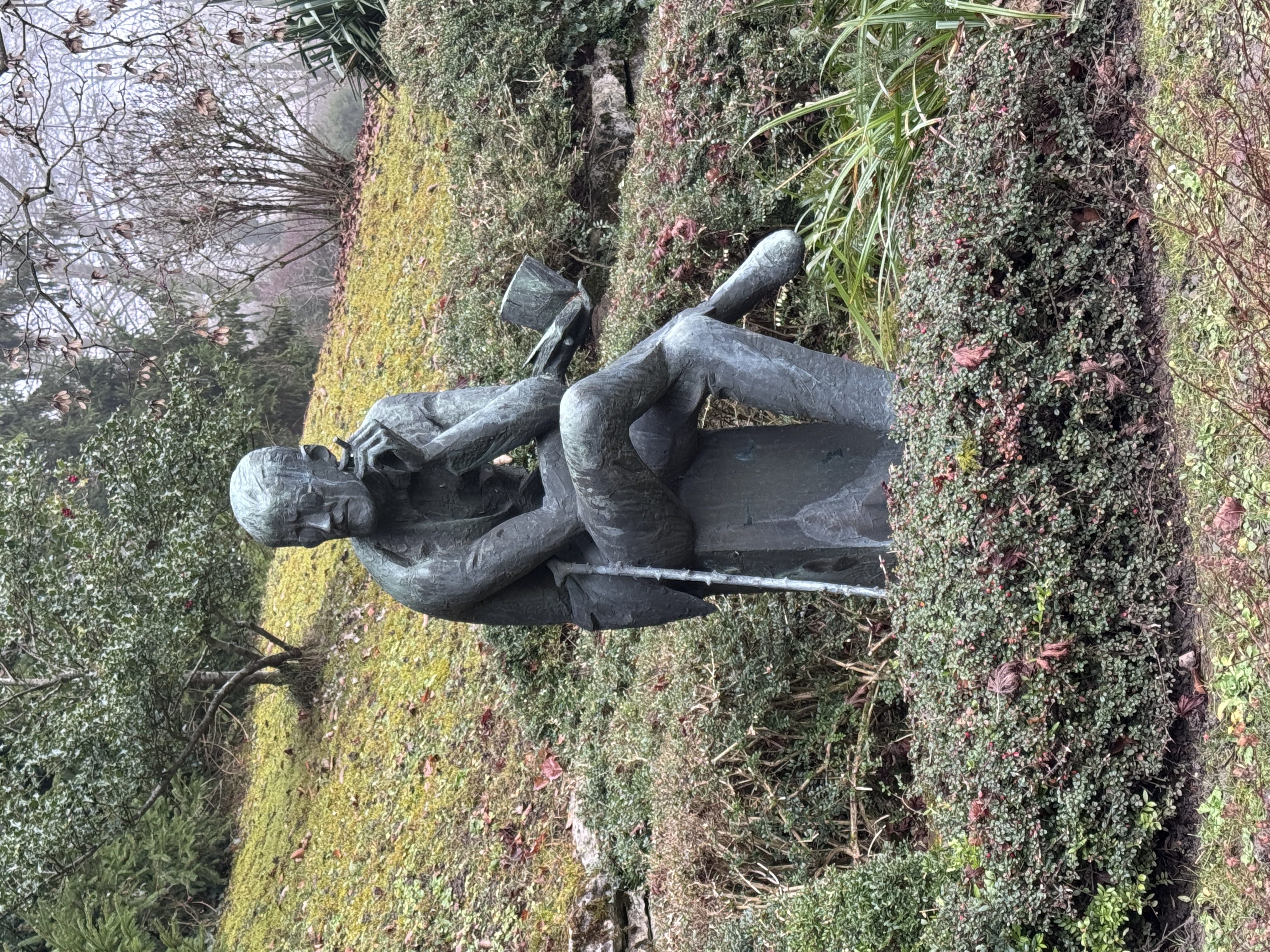
Fluntern Cemetery is situated close to the final stop of the number 6 tram line, incongruously placed between the Zurich Zoo and FIFA's global headquarters. It is nowhere near as well visited as other cemeteries that house literary figures — say Père Lachaise in Paris, the final resting place of Oscar Wilde. Joyce's grave had been moved from its original location. Set towards the back wall and reached along a stone path, plot 1449 is beautifully sheltered by plants and trees, with an enigmatic modernist statue of the man himself presiding over it.
The headstone tells you that not only Joyce but also Nora, their son Giorgio and daughter-in-law Asta are buried there. A memorial plaque on the plot also celebrates the life of James and Nora's daughter Lucia, who died in England in 1982.
Joyce is interred in Zurich because the Irish Government and the dominant Catholic Church — hostile to his profane style of writing — refused to repatriate his remains when asked in the late 1940s.
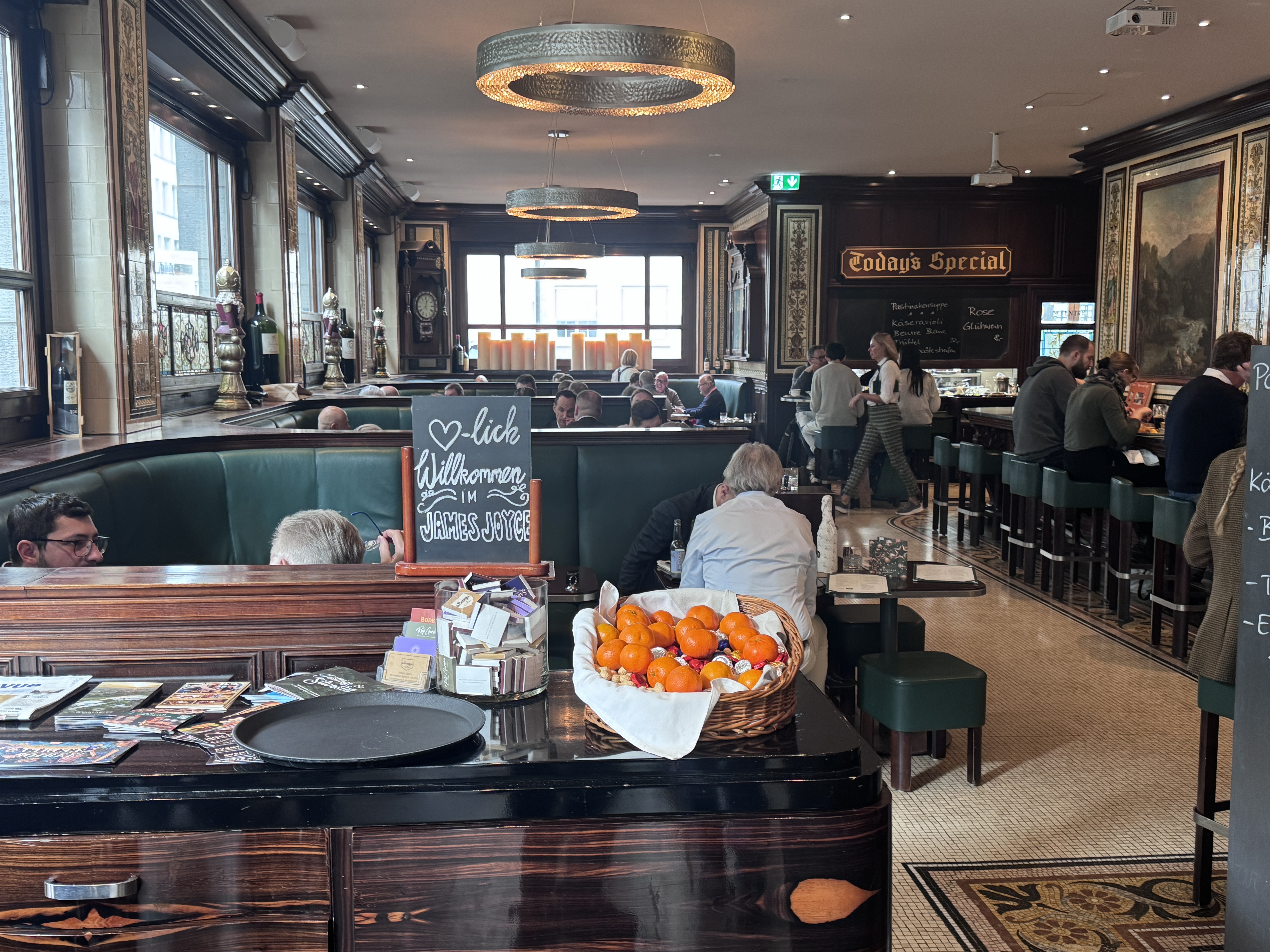
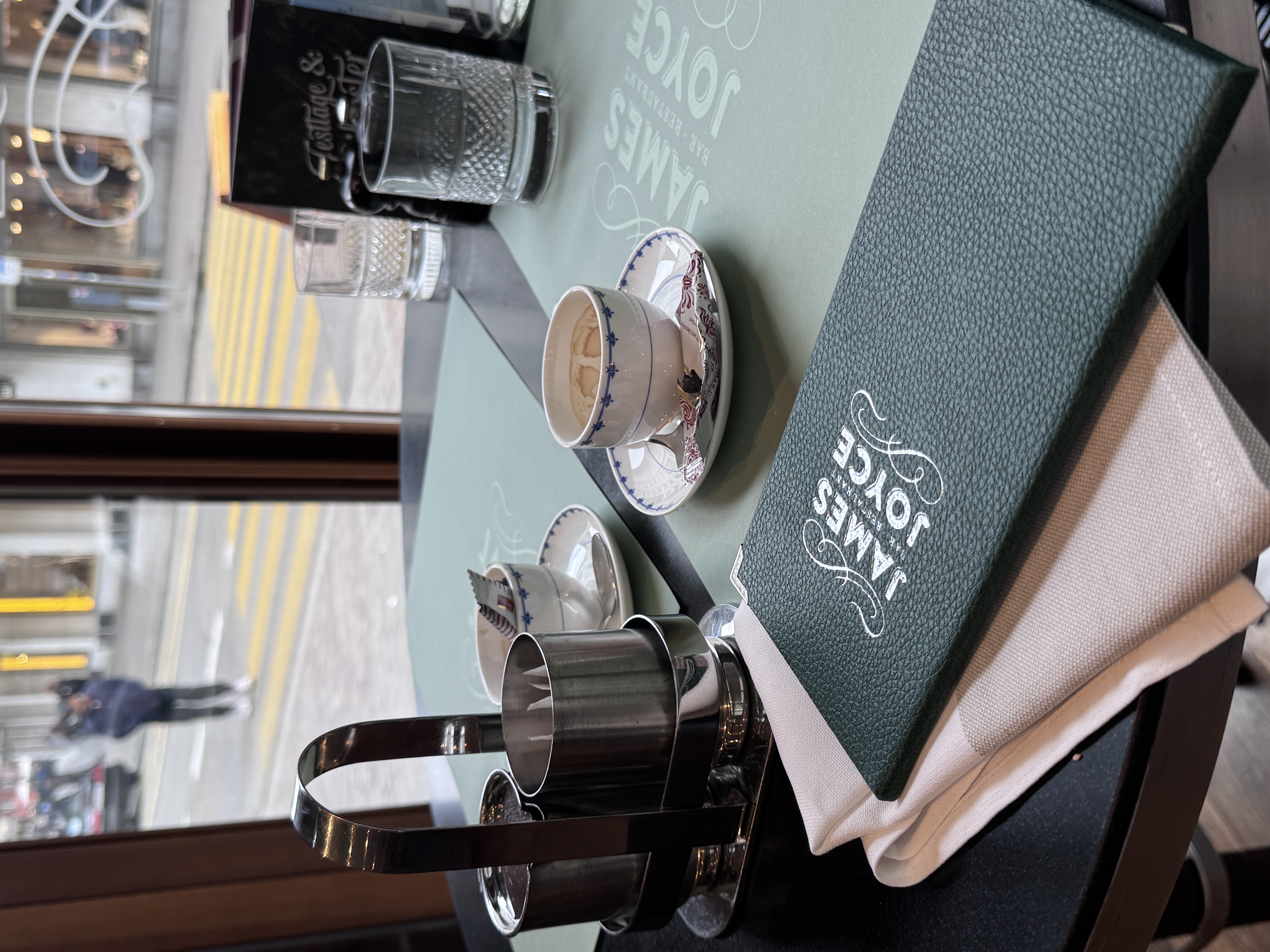
About half an hour from Fluntern is a bar and restaurant that bears Joyce's name. While the menu is standard pub fare, thankfully devoid of pig's kidneys, you can at least have a pint of Guinness or a glass of wine to salute the author.
Paris
Our next port of call was Paris, the city where Joyce wrote the last four chapters of Ulysses and began work on his next novel, Finnegans Wake. For tourists with a Joycean fixation, Paris has many diversions.
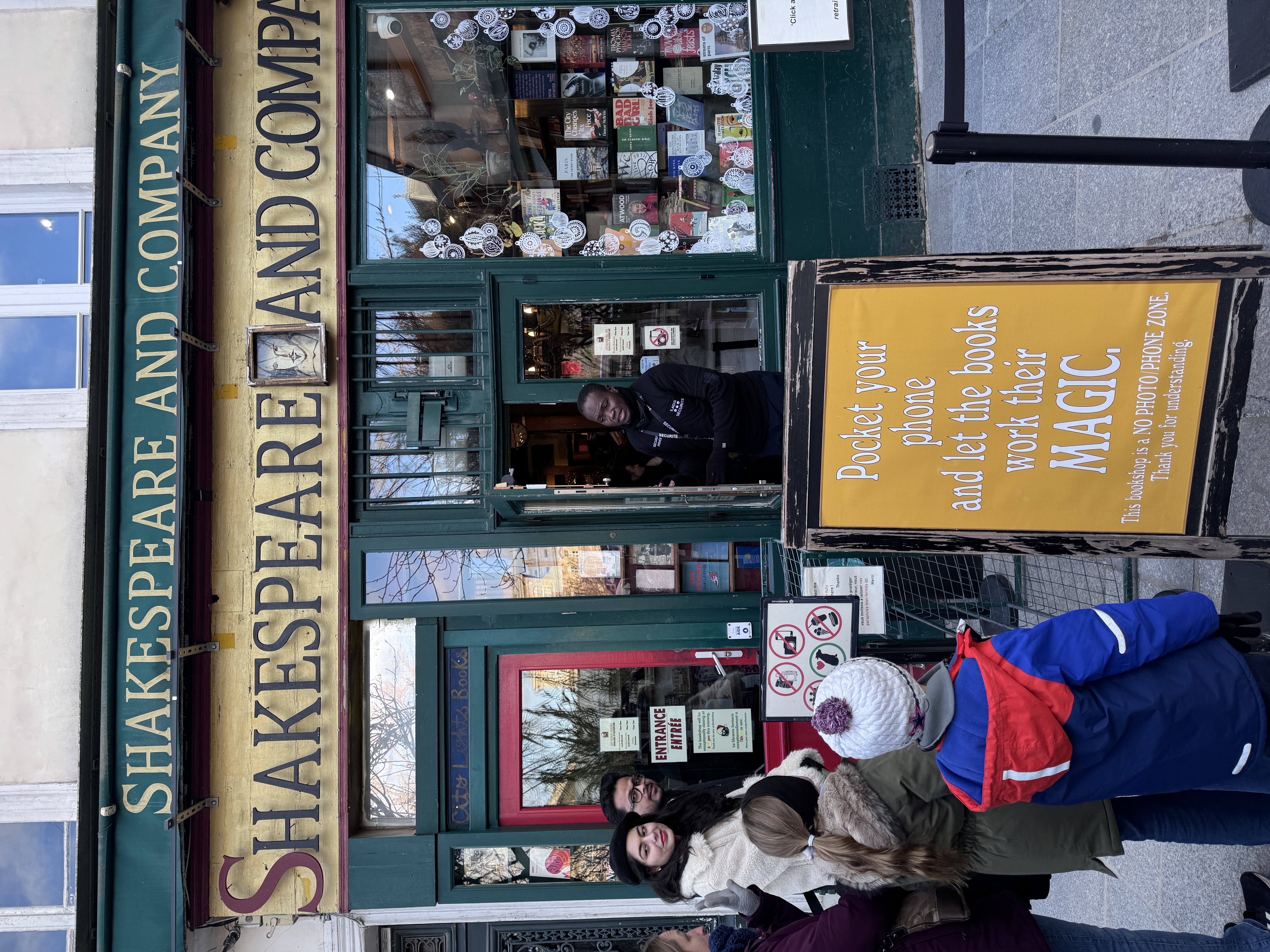
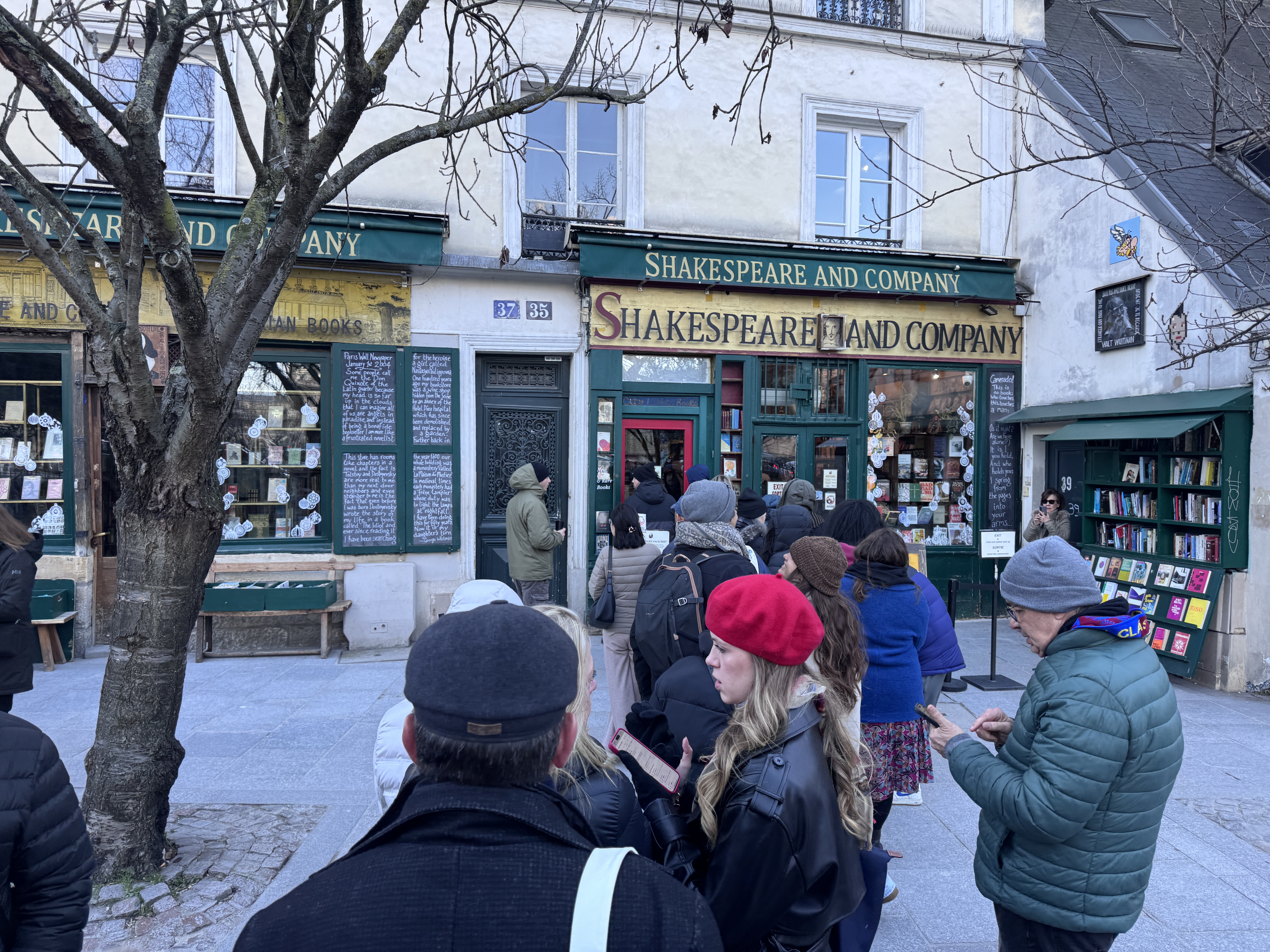
We visited the renowned bookshop Shakespeare and Company, whose original owner Sylvia Beach published Ulysses. You are not allowed to take photographs inside the shop, so visitors are left to simply absorb the atmosphere and choose books to buy. The walls are adorned with photos of the famous writers associated with it — Ernest Hemingway, T.S. Eliot, Gertrude Stein, and New Zealand's own short-story pioneer, Katherine Mansfield. You can buy a fresh copy of Ulysses and have it stamped at the counter to prove it came from Shakespeare and Company.
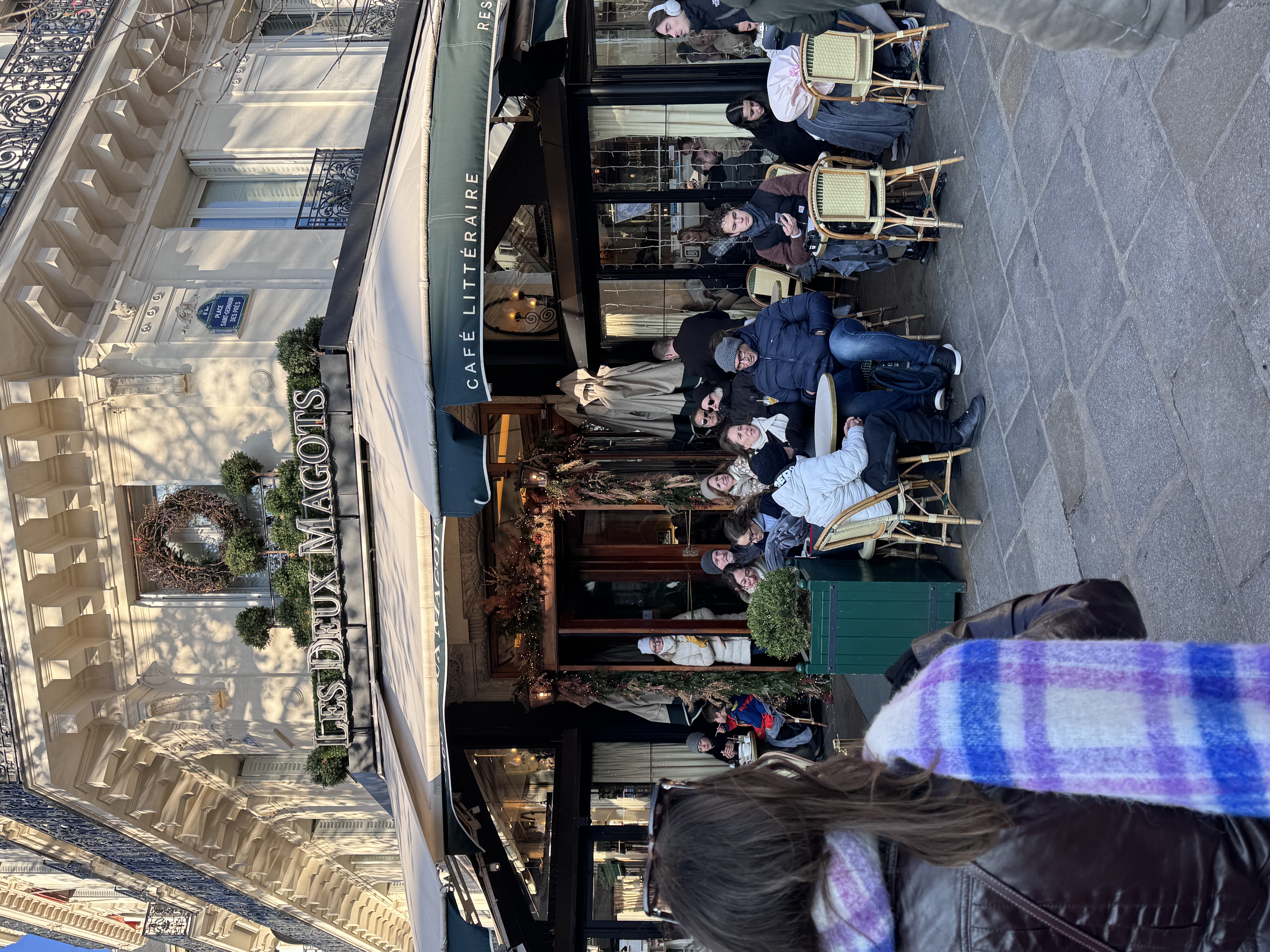
If you wish to dine in a literary environment, the Café Littéraire Les Deux Magots is a top choice. This compact dining room has had many famous diners over the years, including Joyce, Jean-Paul Sartre, Simone de Beauvoir, Albert Camus and Pablo Picasso. Today it is popular with tourists from around the world — so popular, in fact, that your confirmed reservation may be treated as a quaint concept by the door staff managing the throng outside.
Dublin
Once done with Paris, our last port of call in Europe was Dublin itself. It has changed fundamentally in the last 40 years, and on this visit it seemed to me to have come to terms with its thoroughly modern status. Today it is a thriving, multicultural European capital of real distinction.
And everywhere there are signs of Joyce.
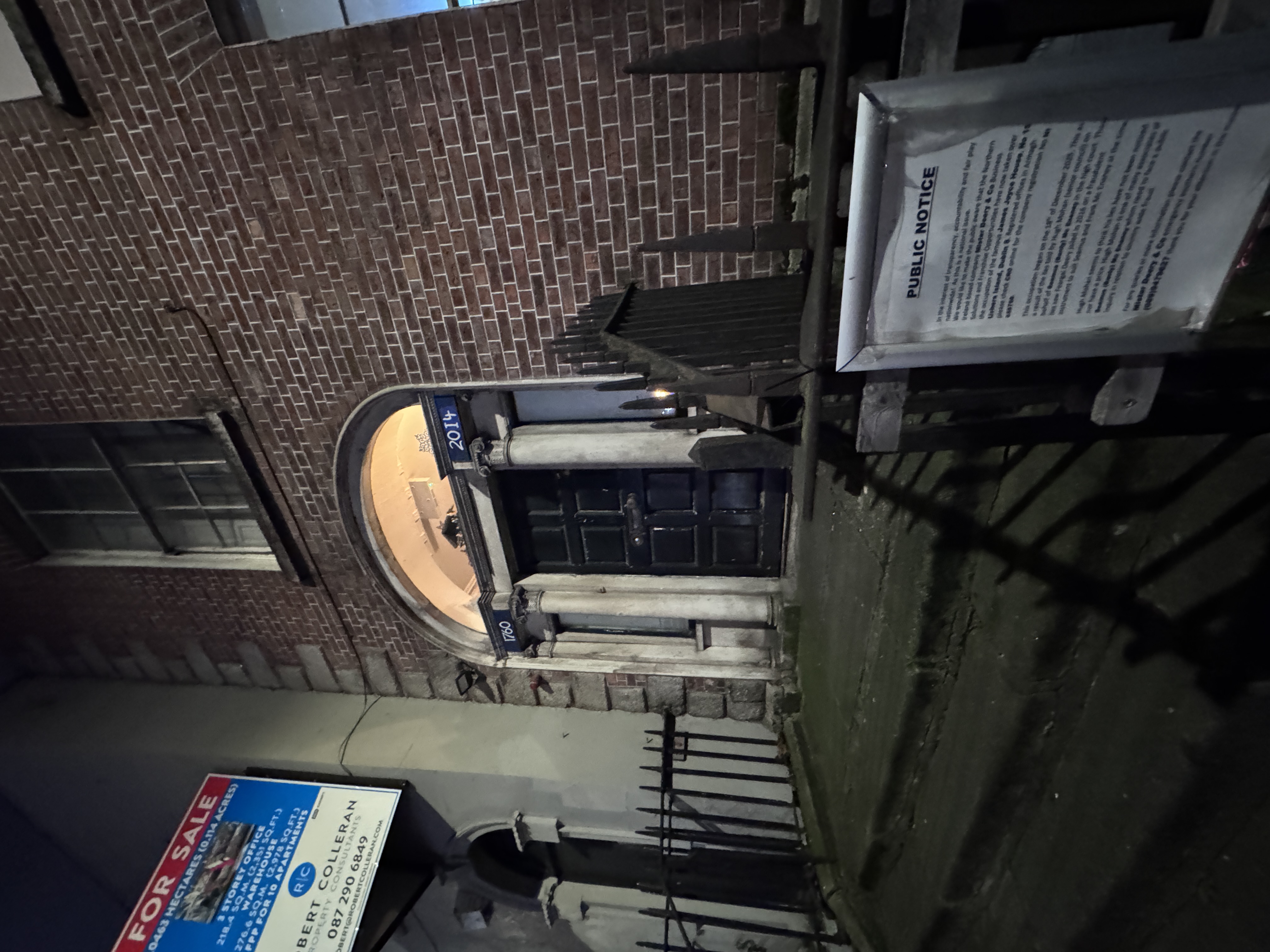
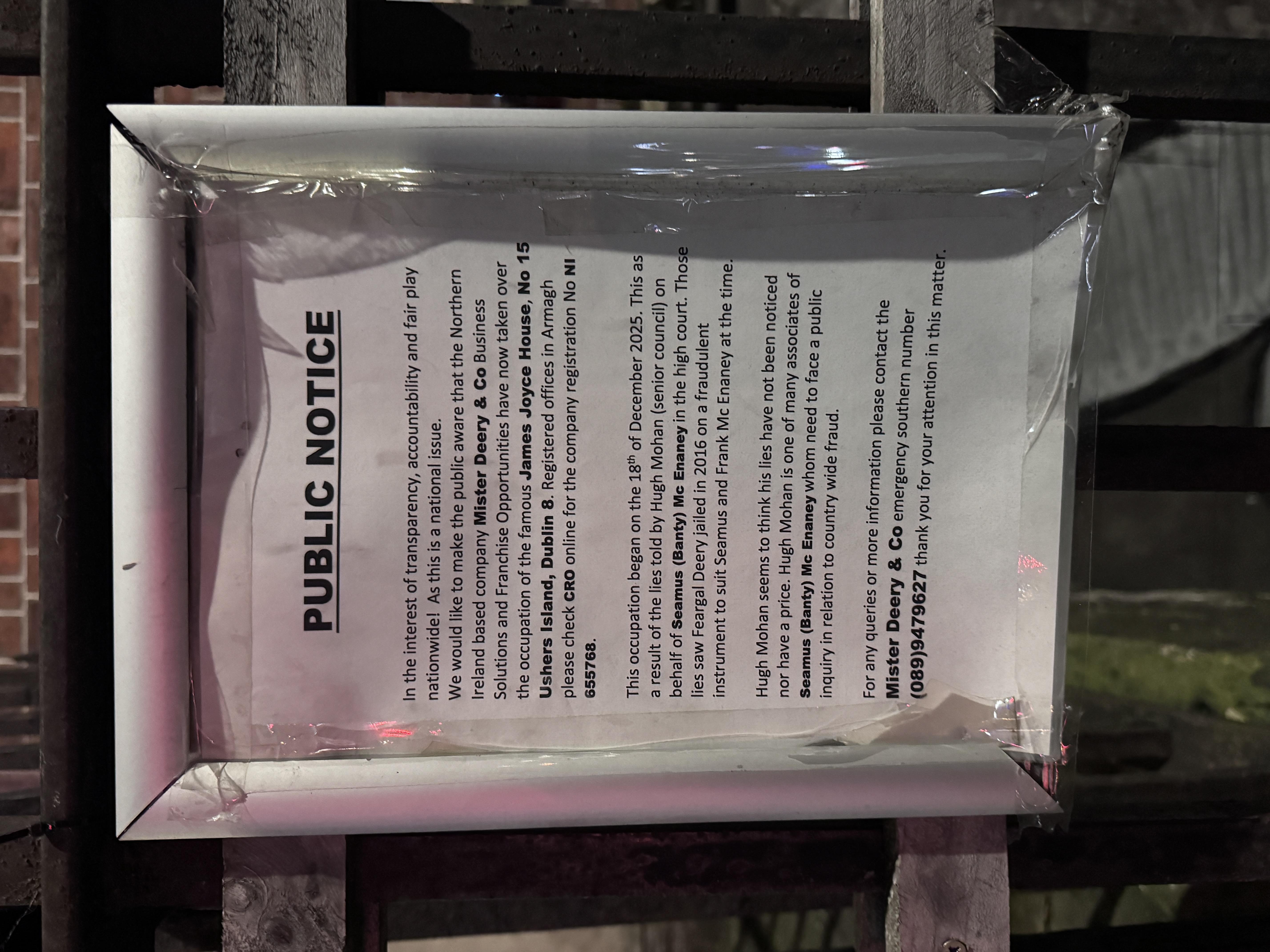
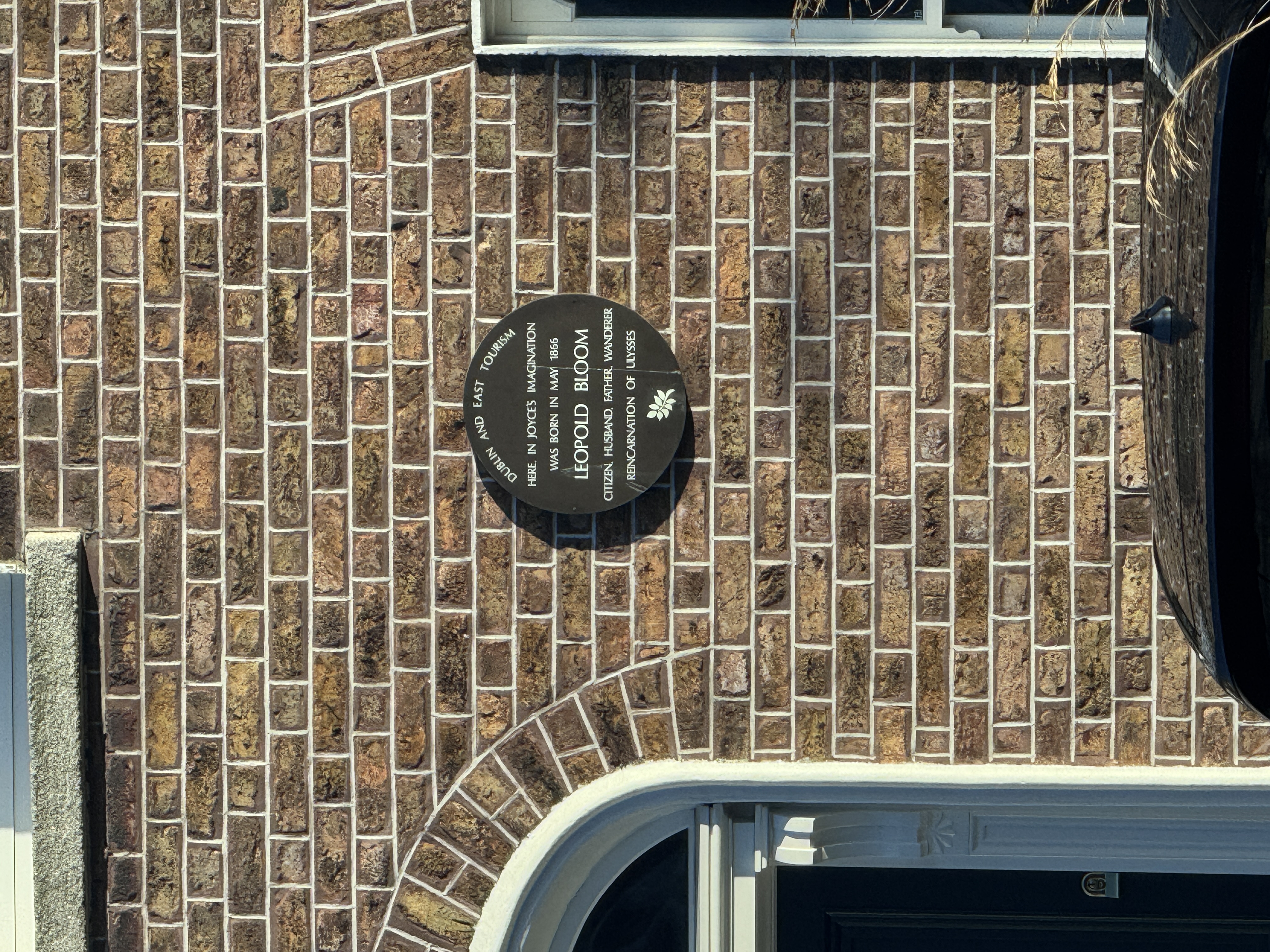
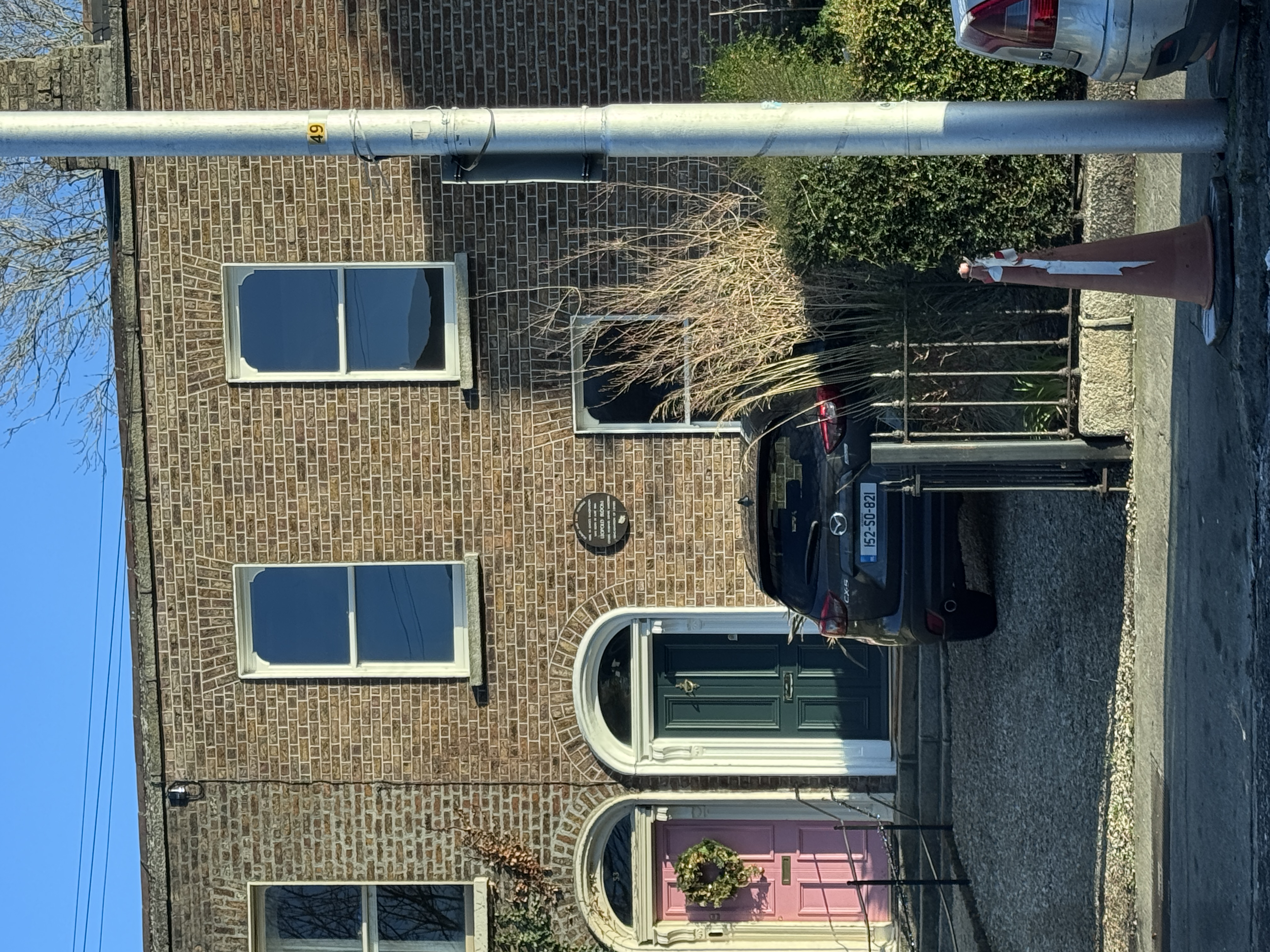
On Clanbrassil Street, a plaque on the wall marks the house where the fictional Leopold Bloom was born. By the River Liffey, we passed a dilapidated Georgian townhouse at 15 Ushers Island — the building in which the story The Dead was set, the last story in Dubliners and the basis of a 1987 film by Irish-American director John Huston. As we strolled around St. Stephen's Green, we came across a crowd of people leaving a house in which a re-enactment of The Dead had just played out through the building's various halls and parlours.
It was as if the Dublin of 2026 had become a playground celebrating Joyce — the writer whose remains the Irish establishment once refused to bring home.
As this odyssey drew to a close, I returned to Auckland with an even deeper respect for the author who brought the stories of the people of my Fair City to the world.
Photos from the Journey